From High School to College Wrestling: What It Takes to Compete at the Next Level
Every high school wrestler dreams of competing in college, but the jump is bigger than most expect. Steven Hyland made that transition himself, moving from high school wrestling into a collegiate program, and he’s since used that experience to help young athletes understand what the next level actually demands.
The Numbers Are Real
It’s worth setting expectations early. According to NCSA’s wrestling recruiting guide, fewer than 3 percent of high school wrestlers go on to compete in college. That doesn’t mean the goal isn’t worth pursuing, but it does mean recruiting takes intention rather than luck. Wrestlers serious about competing in college need to start building their case early, not just through results, but through the full picture coaches evaluate.
Coaches Look Beyond the Win-Loss Record
College coaches want technical skill, but they’re just as focused on academics, coachability, and consistency over time. Steady improvement year over year often matters more to a coach than a single big tournament win, since it signals an athlete who’s still developing and easy to coach. Steven encourages his athletes to think about their entire wrestling résumé, not just their best moments, when reaching out to programs.
The Intensity Jump Is Real
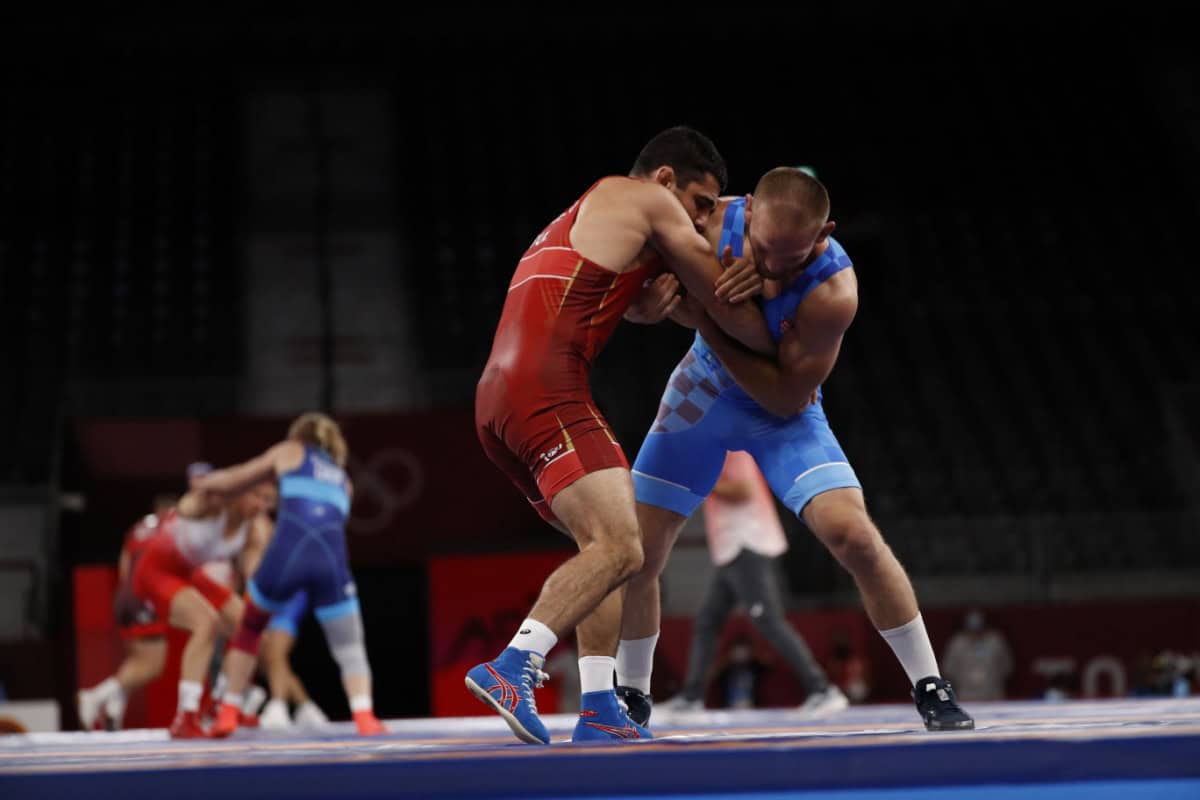
Nothing quite prepares a high schooler for the pace of college wrestling. Practices are longer, competition is deeper across every weight class, and the margin between winning and losing shrinks considerably. Steven remembers this adjustment clearly from his own collegiate experience: technique that worked reliably in high school suddenly needs refinement against opponents who are just as trained. Wrestlers who keep training hard in the off-season, rather than treating it as downtime, tend to handle this jump far better.
Academics Open (or Close) Doors
Grades matter more in wrestling recruiting than many families realize. Strong academic performance signals to coaches that an athlete can handle the demands of college wrestling without falling behind in the classroom, and it often unlocks additional scholarship opportunities alongside athletic aid. Steven pushes his athletes to treat their grades as part of their training, since a wrestler with a strong GPA and a strong record gives coaches far less reason to hesitate.
Start the Process Early
Wrestlers hoping to compete in college should begin researching programs, reaching out to coaches, and tracking their own progress well before senior year. The earlier a wrestler understands what a program is looking for, the more time they have to build toward it.
Steven Hyland’s own path from high school to collegiate wrestling shapes how he prepares his athletes today, on the mat and off it. To learn more about his experience, visit stevenhyland.org.