Is Wrestling Really an Individual Sport? The Truth About Team Culture in the Wrestling Room
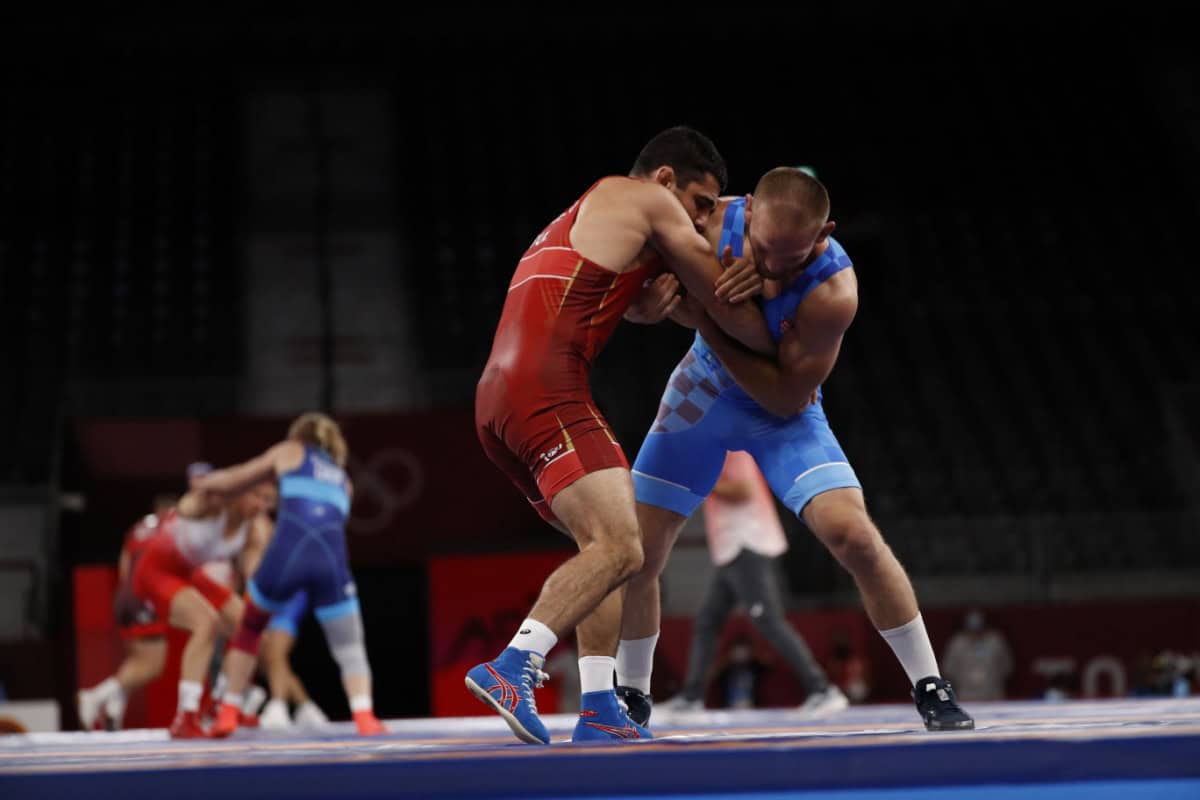
From the stands, wrestling looks like a solo pursuit: one athlete, one opponent, six minutes on the mat. Steven Hyland, who competed through high school and college before becoming a youth coach, understands why people see it that way. But having spent years inside the wrestling room, he knows the truth is far more layered than the scoreboard suggests.
What Happens on the Mat Isn’t the Whole Story
Yes, a wrestler competes alone in their match. No teammate can step in to help, and no one else takes the blame for a loss. But as USA Wrestling notes, the six minutes on the mat represent only a fraction of what makes up a wrestler’s experience. Everything leading up to that moment, and everything that happens after, is built on team.
Practice Partners Make Everyone Better
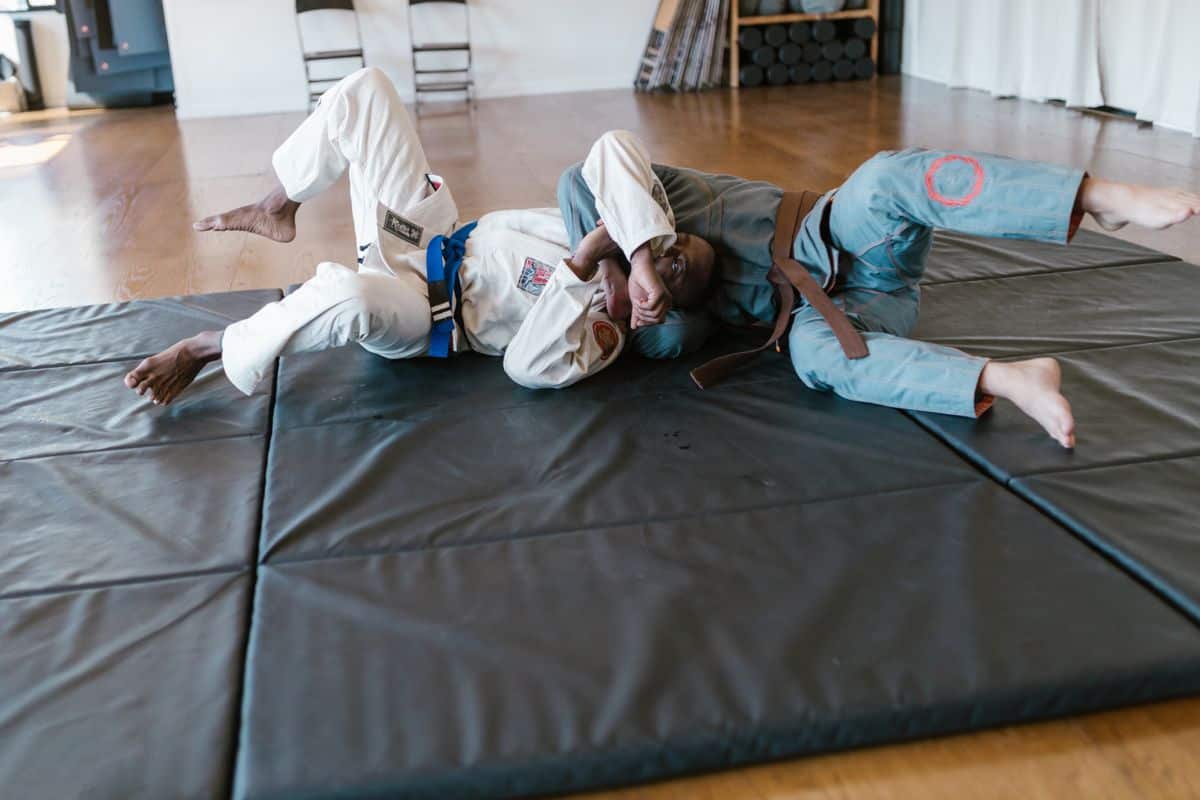
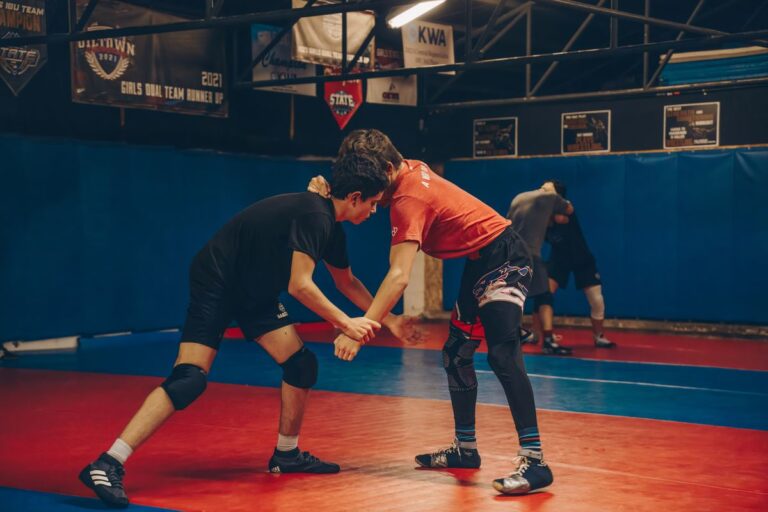
Wrestlers don’t improve by training alone. Every drill, every live round, and every hard scramble happens with a practice partner pushing them to get sharper. Steven Hyland has seen this dynamic firsthand: the wrestlers who make the biggest jumps are usually the ones surrounded by teammates who challenge them daily. That competitive push in the room, paired with a shared goal of getting better, is team culture in its purest form.
Dual Meets Turn Individual Efforts Into a Shared Outcome
Dual meets are where the team half of wrestling becomes obvious. Every weight class contributes points to a single team score, meaning a wrestler’s individual win or loss directly affects everyone else on the roster. A wrestler can dominate their match and still watch the team fall short, or get pinned and still see their team pull out the win. That shared stake changes how athletes compete. Wrestlers feed off the energy of the teammates who wrestled before them and carry that momentum into their own matches.
Wrestling Leadership and Accountability Run Both Ways
Wrestling rooms build leaders naturally. Older or more experienced athletes set the tone for effort and discipline, and younger wrestlers learn by watching how the room operates. Steven emphasizes this kind of team leadership in his own coaching, since athletes often absorb lessons from teammates faster than they do from a coach. Shared accountability, showing up, working hard, and supporting each other through tough training blocks, is what turns a group of individuals into an actual team.
A Sport of Both Worlds
Wrestling asks athletes to be fully self-reliant in the moment of competition, while depending completely on their teammates every other day of the season. That combination is part of what makes the sport’s culture so strong, and why so many wrestlers describe their teammates as family long after their competitive days are over.
To learn more about Steven Hyland’s experience in wrestling and coaching, visit stevenhyland.org.