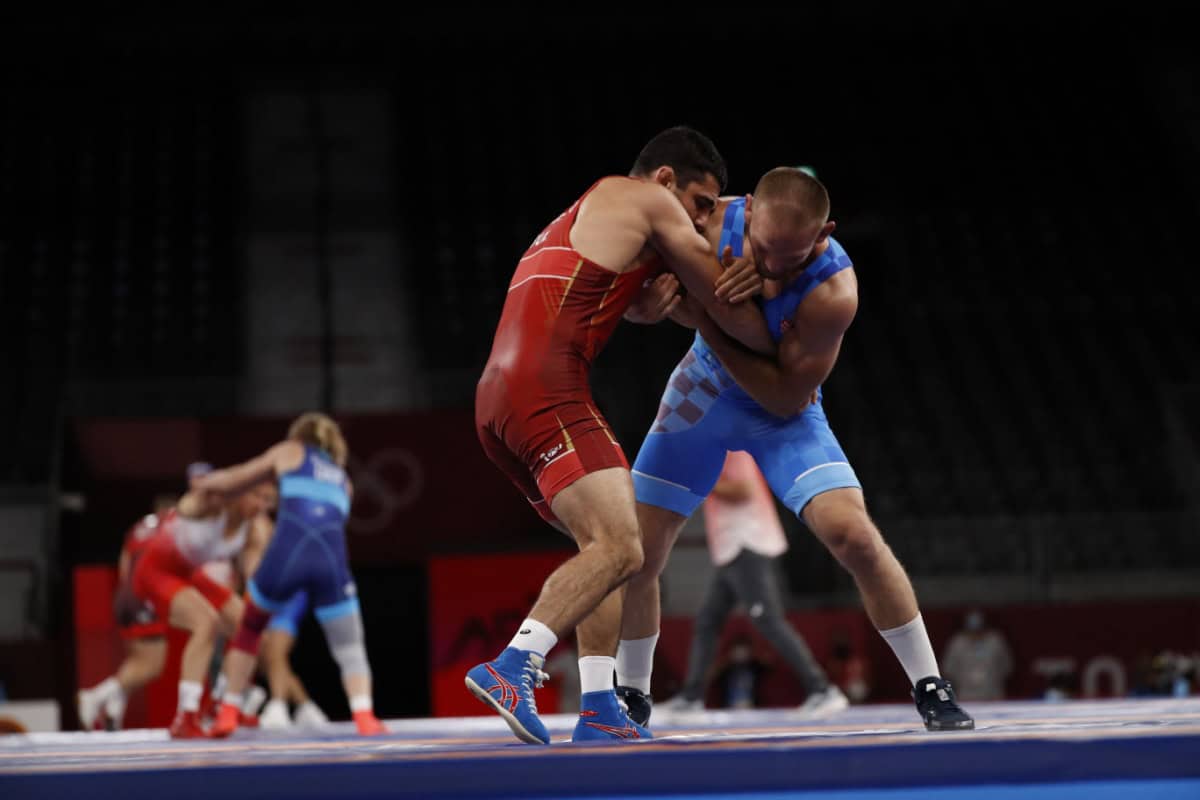
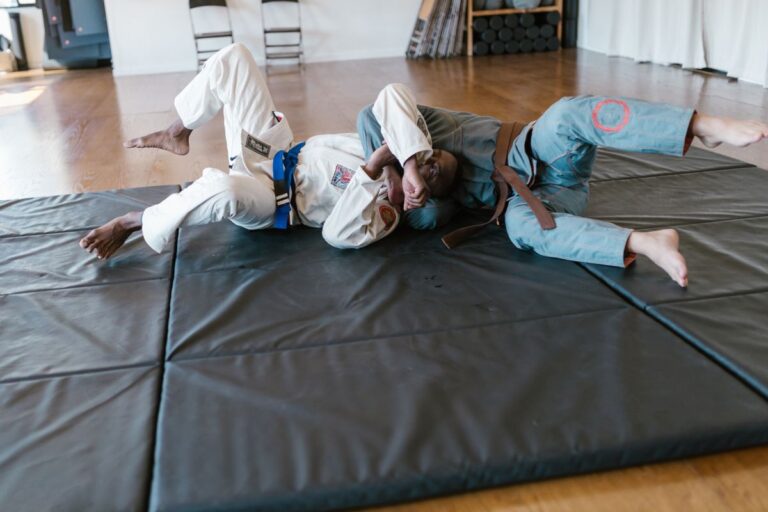
Ask any former wrestler what the sport gave them, and most won’t lead with medals. They’ll talk about discipline. Steven Hyland, who wrestled through high school and college before becoming a youth coach, considers it the sport’s most valuable lesson.
As Tugman Wrestling notes, wrestling rewards hard work, preparation, and mental toughness, values that consistently transfer to the classroom and beyond.
Training Cycles Teach Long-Term Commitment
Wrestling doesn’t offer shortcuts. A season is built on months of conditioning, drilling, and live wrestling, and the results only show up for athletes who commit to the full cycle. Wrestlers learn to trust a process that pays off slowly: preseason strength work, in-season sharpening, offseason growth. That patience, the ability to work toward a goal that’s weeks or months away, becomes second nature. It’s the same skill that carries students through a semester of coursework.
Accountability With Nowhere to Hide
When the whistle blows, a wrestler stands alone. There’s no teammate to blame for a lost match and no bench to disappear onto. That reality forces young athletes to own their preparation, their effort, and their outcomes. In Steven’s experience as both a competitor and a coach, this accountability is where real growth happens. Wrestlers stop making excuses because the sport simply doesn’t accept them, and that honesty with oneself becomes a lifelong habit.
Weight Management Builds Daily Self-Control
Few sports ask athletes to manage their bodies as carefully as wrestling. Competing in a weight class means paying attention to nutrition, hydration, sleep, and training load every single day, not just when it’s convenient. Handled responsibly under good coaching, this teaches young athletes something rare: how small daily choices compound over time. Wrestlers learn to plan ahead, resist impulses, and stay consistent, habits that serve them at every stage of life.
Where the Discipline Shows Up Later
The wrestler’s mindset follows athletes long after their final match. It shows up in the student who studies before anyone asks, the employee who prepares thoroughly for a presentation, and the parent who models consistency for their own kids. Research on youth athletics backs this up: the focus, time management, and work ethic developed through wrestling regularly translate into stronger academic and work performance.
A Lesson Worth Passing On
This is why Steven Hyland keeps coming back to the mat as a coach. Techniques can be taught in a season, but discipline shapes a lifetime, and wrestling remains one of the most reliable ways for young people to build it. Every practice is a chance to reinforce the habits that outlast the sport itself.