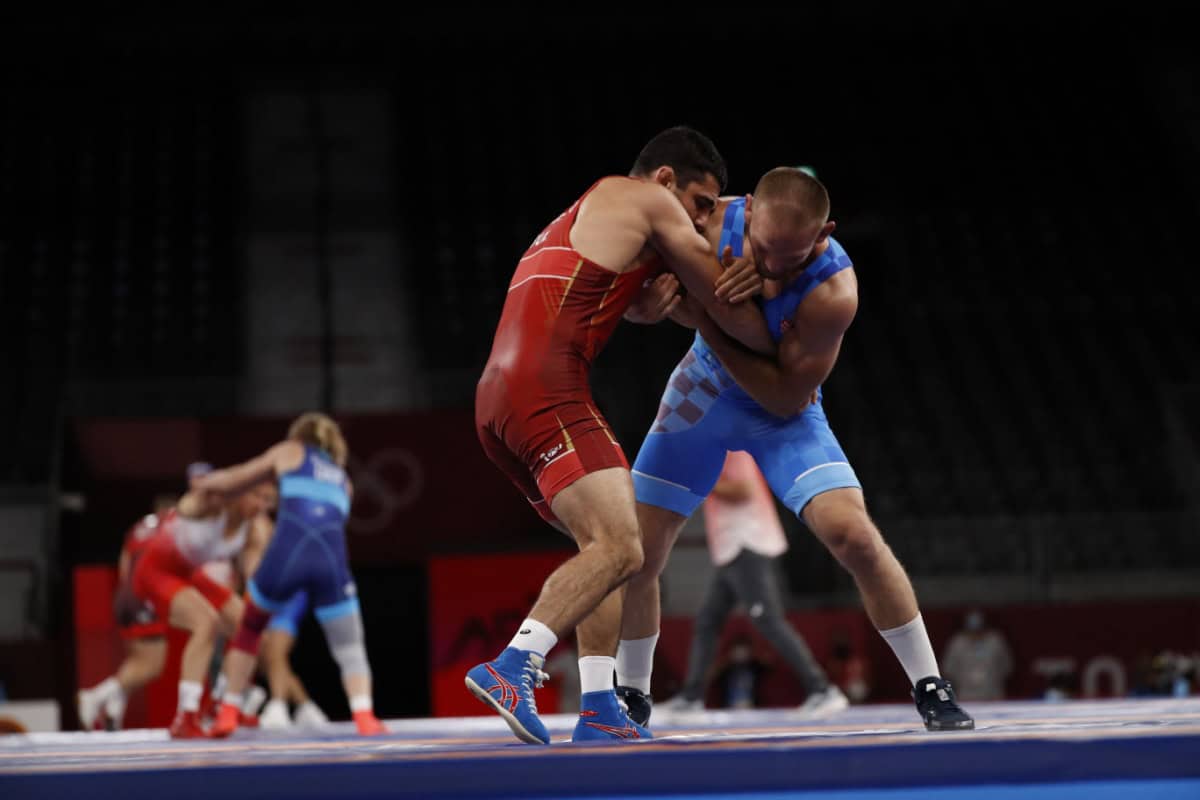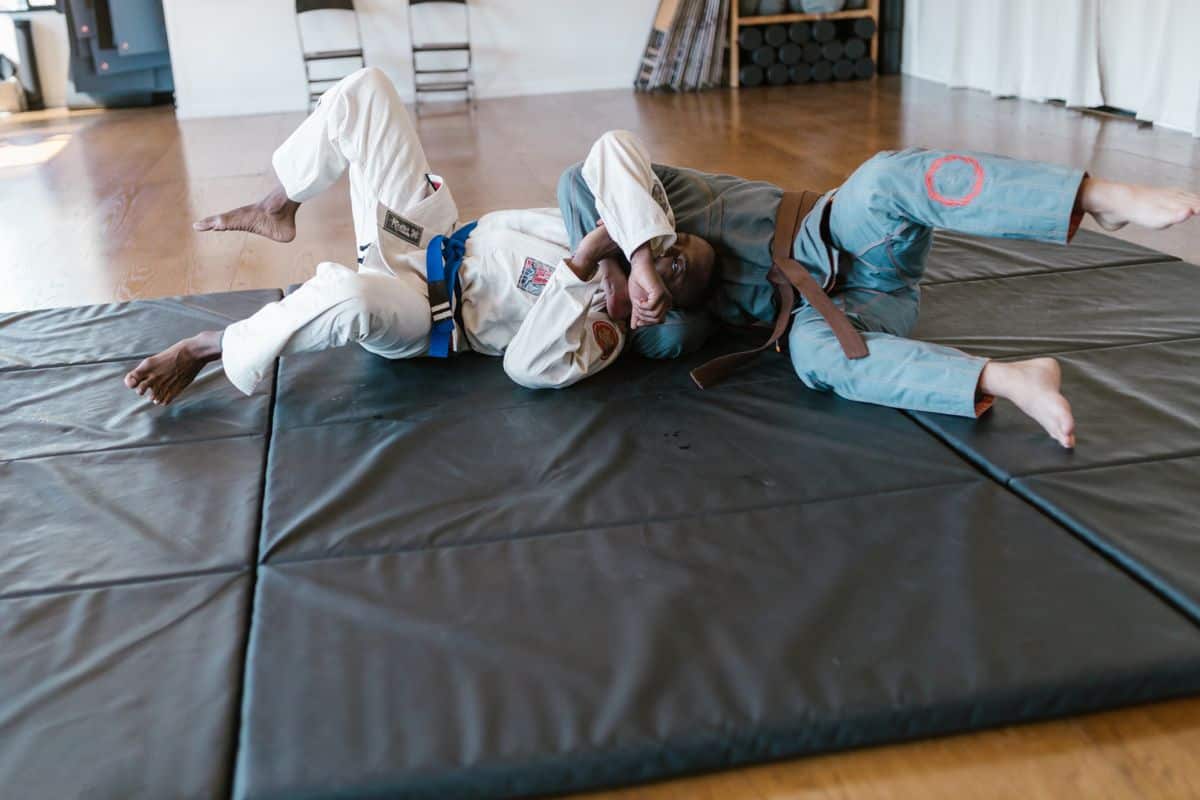
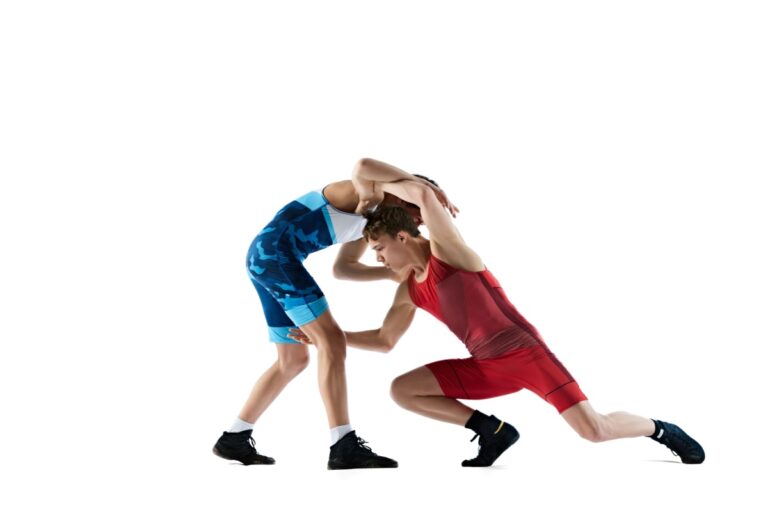
For parents considering wrestling, the questions usually come fast: Is it safe? Will my kid have to cut weight? How much time does it take? Steven Hyland, a former high school and collegiate wrestler who now coaches young athletes, hears these concerns at every registration season, and most of them are easier to answer than parents expect.
As New York Family notes, coaches aren’t looking for the biggest or most athletic kids; they’re looking for kids who show up consistently and work hard.
Is Youth Wrestling Safe?
Safer than many parents assume. Youth wrestling is heavily supervised, taught on padded mats, and built around technique rather than brute force. Good programs progress slowly, teaching kids how to move, fall, and control their bodies before any live competition. The weight class system also means children only compete against opponents of similar size, so a smaller kid is never thrown in against a much bigger one. The most important safety factor is the program itself, so parents should look for certified coaches, structured practices, and a room where technique comes first.
The Truth About Weight Cutting
This is the biggest myth Steven Hyland works to correct. At the youth level, responsible programs do not ask children to cut weight. Kids simply wrestle at their natural weight, and the class system handles the rest. Extreme weight cutting is a dated practice that modern wrestling has moved away from at every level, with rule changes and monitoring now built into the sport. If a youth program ever pressures a child to drop weight, that’s a red flag about the program, not the sport.
How Big Is the Time Commitment?
Youth wrestling is more manageable than most travel sports. Beginner programs typically run two or three practices a week, with optional weekend tournaments as kids develop. Families control how deep they go, since a child can enjoy wrestling recreationally for years without ever entering the year-round competitive circuit. Steven encourages parents to start small and let their child’s interest set the pace.
What Does It Cost?
Compared to hockey, travel baseball, or club soccer, wrestling is one of the most affordable youth sports. The required gear amounts to wrestling shoes, headgear, and practice clothes, and many clubs offer loaner equipment for beginners. Registration fees for youth programs are typically modest, and there’s no expensive equipment cycle to keep up with as kids grow.
The Real Question to Ask
Rather than asking whether a child is ready for wrestling, parents might ask what wrestling can build in their child: confidence, discipline, body control, and resilience. Those returns tend to far outweigh the costs.
As a coach and advocate for youth athletics, Steven Hyland remains committed to making wrestling accessible for new families.