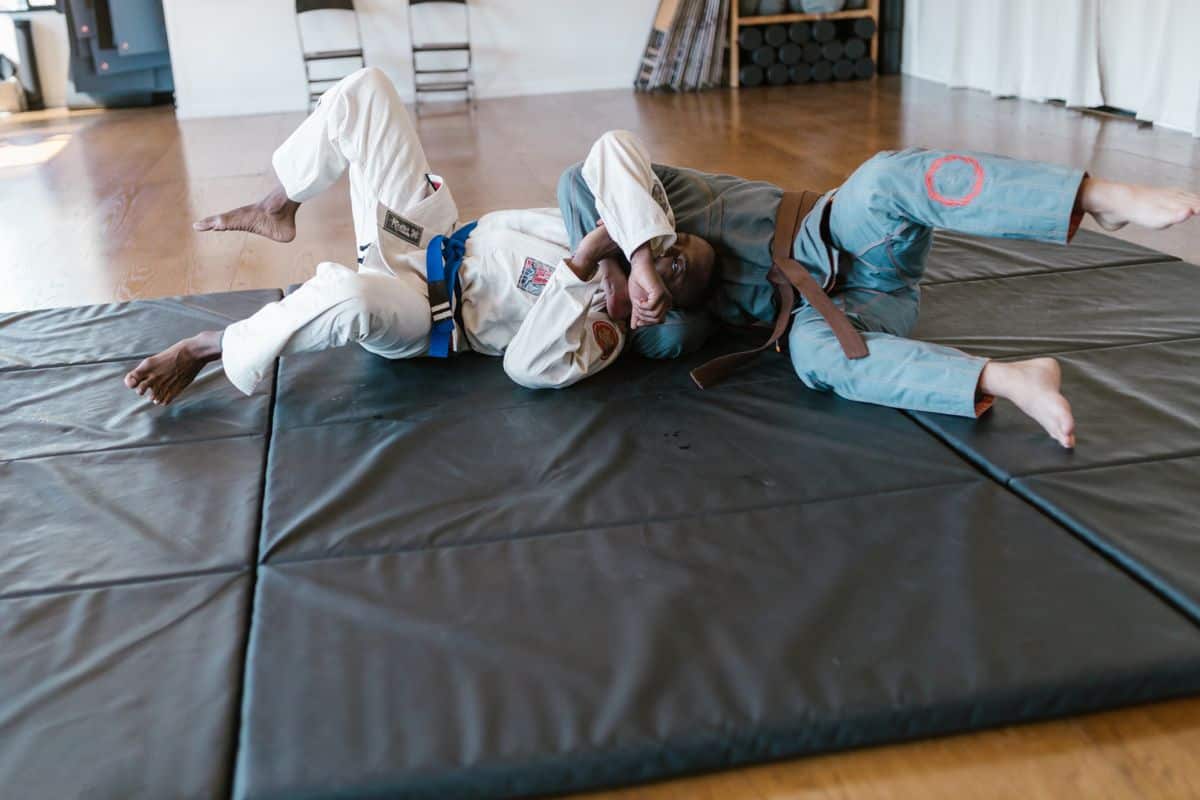

Wrestling is often called 90 percent mental, and Steven Hyland doesn’t disagree. Having competed through state tournaments as both a high school and collegiate wrestler, he’s experienced firsthand how much of a match is decided before an athlete ever sets foot on the mat. Now coaching young wrestlers, Steven spends as much time on mindset as he does on technique.
Nerves Are Normal, Not a Warning Sign
Every wrestler feels nervous before a big match, even the most experienced ones. According to Wrestling Mindset, that nervous energy is simply the body preparing for action, and the wrestlers who perform best aren’t the ones who eliminate the feeling but the ones who learn to channel it. Steven encourages his athletes to treat pre-match nerves as fuel rather than a problem to fix, reframing anxious thoughts into readiness instead of trying to force them away.
Visualization Builds Real Confidence
Picturing a match before it happens is one of the most effective tools a wrestler has. Athletes who visualize their setups, their attacks, and even the tough scrambles they might face walk onto the mat with a sense of familiarity, as if they’ve already been there. Steven builds this habit into his own preparation and teaches it to his wrestlers, having them mentally rehearse both their best techniques and the adversity that inevitably shows up mid-match.
Focus on the Process, Not the Outcome
Fixating on winning, rankings, or a tough opponent tends to increase pressure rather than reduce it. Steven’s coaching philosophy centers on shifting an athlete’s attention to what they can actually control: their effort, their setups, and their game plan. A wrestler thinking “I will attack and execute” walks onto the mat calmer and more dangerous than one thinking only about the final score.
Bouncing Back From a Loss
Every wrestler loses matches, including state-caliber competitors. What separates good wrestlers from great ones is how quickly they recover mentally. Steven encourages athletes to give themselves a short window to feel disappointment, then shift into honest reflection: What worked? What didn’t? What’s the one thing to fix before the next match? Treating every loss as information rather than a verdict keeps young wrestlers moving forward instead of spiraling.
The Mental Game Is a Skill, Not a Trait
Confidence on the mat isn’t something a wrestler is simply born with. It’s built through repetition, just like a takedown. Steven Hyland’s own tournament experience taught him that the wrestlers who train their minds as deliberately as their bodies are the ones who perform when it matters most.
To learn more about Steven’s experience as a competitor and coach, visit stevenhyland.org.